

Echinacea Plants
Bring Long-Lasting Summer Colour with Echinacea
Echinacea, often known as coneflower, is one of the most rewarding hardy perennials for UK gardens. Loved for its bold daisy-style blooms, long flowering season and remarkable resilience, the echinacea plant delivers colour from early summer right through into autumn. Whether planted in borders, prairie-style schemes or patio containers, coneflower plants add height, movement and rich colour with very little effort.
From the classic coneflower echinacea purpurea in glowing pinks and purples to modern varieties in creams, oranges and sunset shades, these plants suit gardens of every size. The distinctive raised cones create strong structure, while the open flowers attract bees and butterflies in abundance. Once established, echinacea purpurea copes well with heat, drought and poor soils, making it a dependable choice for low-maintenance planting. For gardeners seeking reliable performance and strong visual impact, echinacea plants are hard to beat. Explore YouGarden’s range to discover easy-care varieties selected for British conditions.
Bring Long-Lasting Summer Colour with Echinacea
Echinacea, often known as coneflower, is one of the most rewarding hardy perennials for UK gardens. Loved for its bold daisy-style blooms, long flowering season and remarkable resilience, the echinacea plant delivers colour from early summer right through into autumn. Whether planted in borders, prairie-style schemes or patio containers, coneflower plants add height, movement and rich colour with very little effort.
From the classic coneflower echinacea purpurea in glowing pinks and purples to modern varieties in creams, oranges and sunset shades, these plants suit gardens of every size. The distinctive raised cones create strong structure, while the open flowers attract bees and butterflies in abundance. Once established, echinacea purpurea copes well with heat, drought and poor soils, making it a dependable choice for low-maintenance planting. For gardeners seeking reliable performance and strong visual impact, echinacea plants are hard to beat. Explore YouGarden’s range to discover easy-care varieties selected for British conditions.
Read More
Open Filters & Sort Listing
SORT LISTING
20%
OFF
OFF
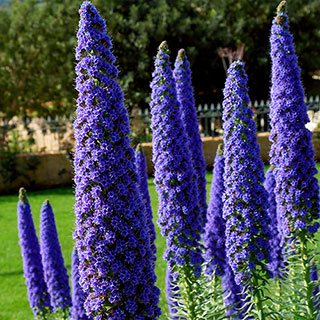
'Pride of Madeira' Echium candicans
From £19.99
FIND OUT MORE
33%
OFF
OFF
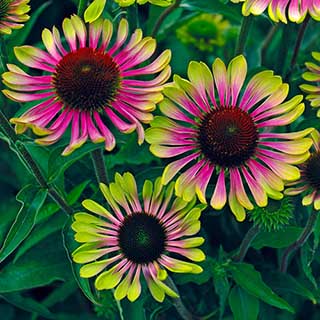
Echinacea 'Green Twister'
From £9.99
FIND OUT MORE
37%
OFF
OFF
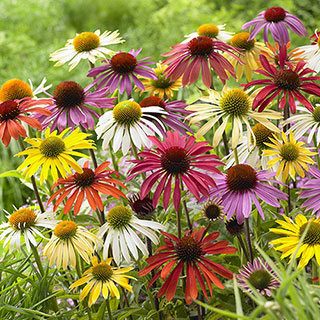
Echinacea 'Cheyenne Spirit'
From £14.99
FIND OUT MORE
50%
OFF
OFF

Echinacea 'Magnus'
From £9.99
FIND OUT MORE

13%
OFF
OFF
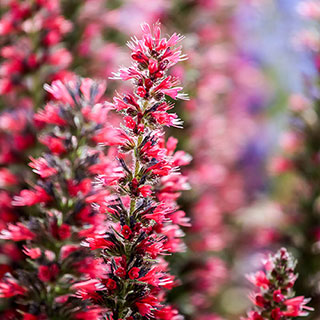
Echium 'Red Feathers'
Just £12.99
FIND OUT MORE
33%
OFF
OFF
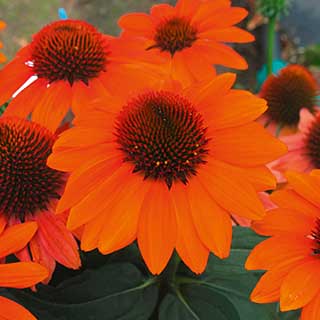
Echinacea Hybrida 'Papallo Orange'
From £9.99
OUT OF STOCK
Peter McDermott - Head Gardener
"True garden must-haves! Bringing bold, daisy-like blooms to gardens from coast to coast, in a stunning array of colours while attracting bees and butterflies. These hardy perennials flower from midsummer into autumn, delivering months of vibrant colour and wildlife interest. They’re tough, low-maintenance, and effortlessly beautiful."
Peter McDermott, Head Gardener

 NEW
NEW Garden Plants
 Houseplants
 Trees and Shrubs
 Fruits and Veg
 Outdoor Living
 Sale
Sale