

Water Butts, Spinklers and Hoses
Make Watering Easier with Water Butts and Garden Watering Solutions
Reliable watering is at the heart of every healthy garden, and the having right tools make all the difference. Our range of water butts and watering essentials helps you collect, store and use water efficiently, saving time, reducing waste and supporting stronger plant growth all year. A water butt is one of the simplest ways to harvest free rainwater, saving you money and making your garden more sustainable.
Pair your chosen garden water butt with a diverter kit and you can collect clean rainwater straight from your downpipe, ensuring a ready supply even during dry spells. Once you’re set up, watering becomes far easier. A garden sprinkler system keeps lawns and borders refreshed with minimal effort, while a garden hose is ideal for quick, targeted watering around beds, containers and greenhouse plants. For pots and delicate seedlings, a watering can offers gentle, precise watering exactly where it’s needed.
From simple storage solutions to complete garden irrigation system options, YouGarden offers dependable products that help you stay on top of watering with ease.
Make Watering Easier with Water Butts and Garden Watering Solutions
Reliable watering is at the heart of every healthy garden, and the having right tools make all the difference. Our range of water butts and watering essentials helps you collect, store and use water efficiently, saving time, reducing waste and supporting stronger plant growth all year. A water butt is one of the simplest ways to harvest free rainwater, saving you money and making your garden more sustainable.
Pair your chosen garden water butt with a diverter kit and you can collect clean rainwater straight from your downpipe, ensuring a ready supply even during dry spells. Once you’re set up, watering becomes far easier. A garden sprinkler system keeps lawns and borders refreshed with minimal effort, while a garden hose is ideal for quick, targeted watering around beds, containers and greenhouse plants. For pots and delicate seedlings, a watering can offers gentle, precise watering exactly where it’s needed.
From simple storage solutions to complete garden irrigation system options, YouGarden offers dependable products that help you stay on top of watering with ease.
Read More
Open Filters & Sort Listing
SORT LISTING
16%
OFF
OFF
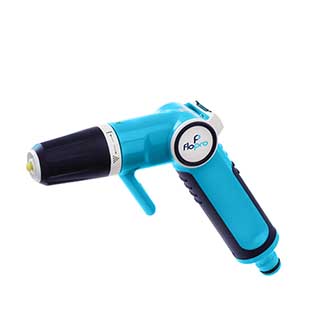
Flopro Vergo Spray Gun
Just £14.99
FIND OUT MORE
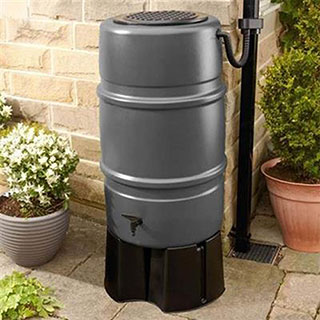
Water Butt with Stand and Diverter Kit-Grey 227L
Just £114.99
FIND OUT MORE
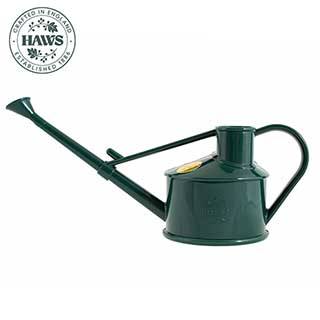
The Haws Langley Sprinkler -Green
Just £8.99
OUT OF STOCK
33%
OFF
OFF
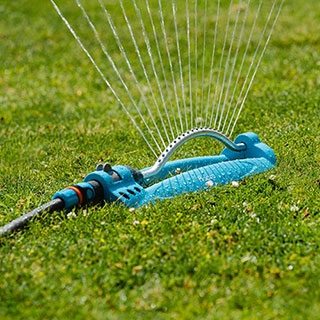
Flopro Cascade Oscillating Sprinkler
Just £19.99
OUT OF STOCK
43%
OFF
OFF

Flopro Beds & Borders Watering Kit
Just £16.99
OUT OF STOCK
35%
OFF
OFF
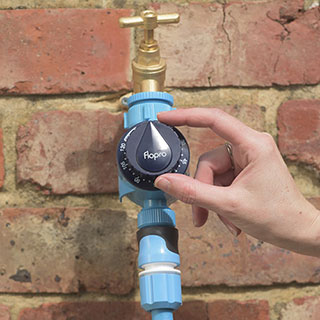
Flopro Mechanical Timer
Just £12.99
OUT OF STOCK
Peter McDermott - Head Gardener
"Water butts and watering tools are the secret to keeping your garden healthy, hydrated, and thriving. From collecting rainwater to precision sprinkling, these essentials ensure your plants always get the moisture they need to flourish."
Peter McDermott, Head Gardener
Peter McDermott, Head Gardener

 NEW
NEW Garden Plants
 Houseplants
 Trees and Shrubs
 Fruits and Veg
 Outdoor Living
 Sale
Sale